لطفا منتظر بمانید ...
0% Complete
صفحه اصلی
/
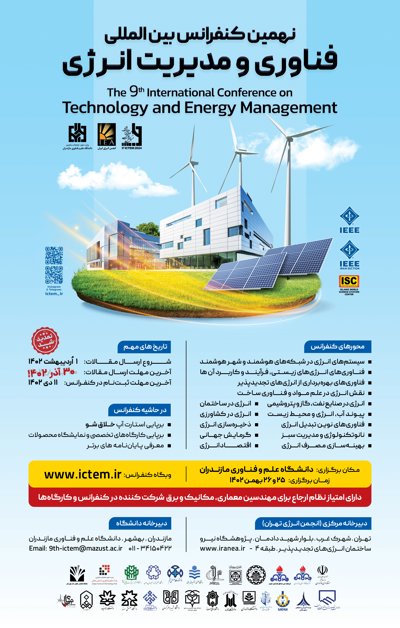
نهمین کنفرانس بین المللی فناوری و مدیریت انرژی
Experimental investigation of the effect of flow pattern in underfloor air distribution system on occupants' thermal comfort and energy consumption management
نویسندگان :
Seyed alireza Zolfaghari
1
Alireza Tavssolizade
2
Saeed Teymori
3
Hamid Keshavarz
4
Mohammad Raesi
5
1- دانشگاه بیرجند
2- دانشگاه بیرجند
3- دانشگاه بیرجند
4- دانشگاه بیرجند
5- دانشگاه بیرجند
کلمات کلیدی :
Air flow pattern،Energy consumption،Thermal comfort،Underfloor air distribution system
چکیده :
Optimal energy use in buildings is one of the most fundamental principles for efficient energy consumption. Therefore, providing a desirable condition for thermal comfort inside indoor environments is crucial for energy consumption control. Researchers believe that in the coming years, close to 35% of buildings will benefit from underfloor air distribution systems. This research aims to investigate the performance of UFAD systems and evaluate the overall thermal comfort of individuals for energy management in buildings. In underfloor air distribution systems, changes in flow patterns and diffuser arrangements invariably affect thermal comfort. According to the results, at a temperature of 20 degrees Celsius, The problem of draught dissatisfaction can be effectively resolved by selecting the appropriate arrangement for inlet diffusers of the underfloor air distribution system. Moreover, to decrease the energy consumption in buildings, with the proper design of diffusers in underfloor distribution systems, thermal comfort can be significantly increased with the same energy consumption level.
لیست مقالات
لیست مقالات بایگانی شده
Designing a Novel Optimal Energy Management to Determine the Contribution and Effect of Primary Sources on the Structure and Components Size of Smart Microgrids and Smart Buildings
Ahmad Rouhani - Mahyar Abasi - Mahmood Joorabian - Vahid Davatgaran
پیش بینی تقاضای گاز طبیعی در ایران: کاربرد مدل ترکیبی تعدیل جزئی پویا و میانگین متحرک خودهمبسته یکپارچه (ARIMA)
عسگر خادم وطنی - مجید زارع
کمینه سازی توان ارسالی کل در اتوماسیون کارخانه مبتنی بر اینترنت اشیاء
سولماز سرخی اسبقی - محمود محصل فقهی - امیر امین زاده قوی فکر
پایش اثر متغیرهای تأثیرگذار بر مصرف انرژی ماشین CNC پنج محوره
احسان ناظمی - مجید قدس - مهرداد واهبی - سعید قبادی - احمد امیری
یک اینورتر شبه منبع امپدانس با بهره بسیار بالا متشکل از شبکه سوئیچ شده فعال
پوریا عظیمی - نیما اسماعیلی نسب - مجید حسین پور
Intelligent Control of a Domestic Solar Water Heating System with Thermal Storage Using Fuzzy Logic- Modified Model Predictive Controller
Ehsan Akbari - Milad Samady Shadlu
Residential Electricity Demand Forecasting Employing a Highly Accurate BiLSTM Intelligent Model
Hamed Kheirandish Gharehbagh - Sajjad Miralizadeh Jalalat - Masoud Agabalaye-Rahvar - Kazem Zare - Tuba Gözel
روش شناسی مدل سازی امنیت انرژی؛ یک رویکرد جامع
علیرضا حیدری
A Novel Design Approach for Multi-Carrier Energy Systems Incorporating Self-Sufficient Microgrids
Narges Daryani - Kazem Zare - Sajjad Tohidi - Josep Guerrero - Najmeh Bazmohammadi
Performance optimization of hybrid energy system considering hydrogen storage system and fuel cell under real-time load response program
Sayyad Nojavan - Hassan Khoudeh
بیشتر
ثمین همایش، سامانه مدیریت کنفرانس ها و جشنواره ها - نگارش 44.8.1